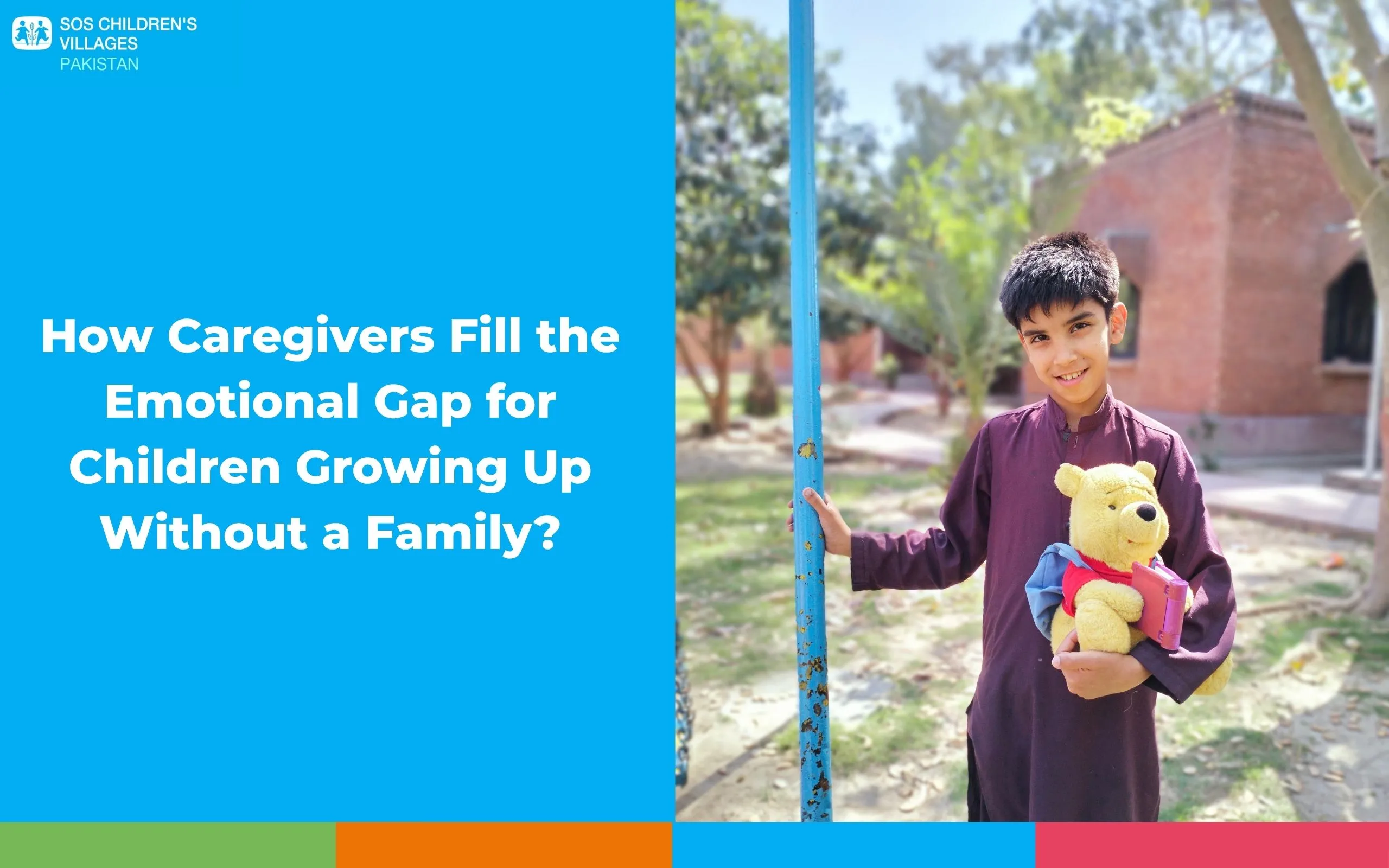
How Caregivers Fill the Emotional Gap for Children Growing Up Without a Family
A child can have a roof over their head and still feel homeless. That sounds harsh, but it is true. A safe room, regular meals, and a school uniform can meet important needs. Yet children also need someone who notices when they are unusually quiet. Someone who listens after a difficult day. Someone who remembers their favourite food, celebrates their birthday, and is there when they wake up frightened in the middle of the night. For children growing up without parental care, those ordinary moments can be missing. The loss of a family is not only about losing a parent. It can mean losing the daily reassurance that makes a child feel secure. It can leave questions that are difficult to answer and emotions that a young child may not know how to express. This is where a caregiver can make an enormous difference. A consistent, caring adult cannot erase a child's past. But they can help make the future feel less frightening.
What Happens When a Child Grows Up Without Family Care?
Children learn about the world through relationships. They learn trust when someone responds to their needs. They learn confidence when someone encourages them. They learn that mistakes are not disasters when an adult helps them try again. Without that steady relationship, childhood can feel uncertain. A child may wonder who will be there tomorrow. They may hesitate to trust people. They may become quiet about their feelings because nobody has consistently asked how they are doing. The effects are not always obvious. A child might seem perfectly fine at school while carrying a lot of worry underneath. Another might become unusually dependent on adults. Someone else may push people away because getting close feels unsafe. There is no single way children respond to loss. That is why children support in Pakistan has to include emotional care, not simply food, clothing, and accommodation.
A Caregiver Gives a Child Something Money Can not Buy
There is a practical side to caring for children. Bills have to be paid. Food has to be prepared. School fees and medical needs have to be covered. But emotional security works differently. A child needs a relationship. They need to know that the same caring adult will be there tomorrow. They need someone who understands their personality, notices changes in their behaviour, and provides reassurance when something feels wrong. That consistency can become a foundation for trust. Think about the small moments that happen in an ordinary family home. A caregiver asks whether homework is finished. Someone checks a child's temperature when they are sick. A child comes home upset after an argument with a friend and has someone to talk to. None of these moments would make the news. But they are what make a child feel that they belong.
SOS Pakistan's Family-Based Approach
This is one of the most important parts of the SOS Children's Villages Pakistan model. SOS does not treat children as cases that simply need accommodation. Its family-based approach is built around giving children a stable, caring home environment. Children live in family-like homes with caregivers who provide daily care and guidance. They have routines, responsibilities, education, healthcare, and relationships that help create a sense of normality. That matters because children need continuity. A temporary place to stay can provide immediate safety. A stable home can help shape a child's sense of who they are and where they belong. The caregiver becomes a familiar person in the child's everyday life. Someone who can offer reassurance after a difficult experience and encouragement when a child doubts themselves. Over time, those repeated interactions build something important. Trust.
The Small Things Are Often the Biggest Things
People sometimes imagine that helping a child requires a dramatic intervention. Often, it does not. It can be a caregiver sitting beside a child who is upset. It can be encouragement before an exam. It can be celebrating a good school result. It can be helping a child understand that making a mistake does not make them a failure. These moments build confidence slowly. A child begins to understand that their feelings matter. They learn that asking for help is okay. They become more comfortable expressing themselves. That emotional security can affect everything else, including education, friendships, behaviour, and future relationships. This is why quality child care in Pakistan cannot be reduced to physical needs alone. Children need people who care about the person they are becoming.
Education Becomes Easier When a Child Feels Secure
There is a clear connection between emotional stability and learning. A child who is constantly worried about safety or belonging has less room to concentrate on schoolwork. Fear takes attention away from curiosity. A supportive caregiver can help change that. When children know they have a safe place to return to, they can focus more fully on school. When an adult takes an interest in their education, achievements begin to feel meaningful. A caregiver might encourage a child who wants to give up after a difficult exam. They might help them set goals or simply remind them that one bad result does not define their ability. Education then becomes more than attending classes. It becomes part of a child's growing belief in themselves.
Why Emotional Care Matters as Children Grow Older
The need for care does not disappear when children become teenagers. In fact, adolescence can bring a completely different set of challenges. Young people start asking difficult questions about identity, independence, relationships, and their future. For children who have already experienced loss, these questions can feel even heavier. A consistent caregiver provides someone to talk to without fear of judgment. That relationship can help teenagers make better decisions, manage difficult emotions, and develop a stronger sense of responsibility. The goal is not to make every problem disappear. That is impossible. The goal is to make sure a child does not have to face every problem alone.
Where Donations Fit Into This Picture
Emotional care may be deeply personal, but it still depends on resources. Caregivers need a safe home in which to care for children. Children need food, education, healthcare, clothing, and access to activities that support healthy development. This is where a donation for child in Pakistan can become part of something much larger than a financial contribution. Your support helps create the environment in which care can happen consistently. It can contribute to the practical needs that allow children to attend school, receive medical attention, live in safe surroundings, and grow with dignity. You may not personally sit beside a child after a difficult day. But your contribution can help make sure there is someone there who can. That is a meaningful connection between giving and care.
More Than Shelter, More Than Survival
When people search for children orphanages in Pakistan, they often focus on where children live. The more important question is how they live. Do they feel safe? Do they have someone they trust? Can they talk about their worries? Are they encouraged to study and develop their talents? Do they have people around them who celebrate their progress? A child's quality of life cannot be measured by a bed and four walls alone. Children need relationships. They need routine. They need affection and guidance. They need the freedom to become individuals rather than being defined by the circumstances that brought them into care. That is the deeper purpose behind family-based care.
One Caring Relationship Can Change a Child's Outlook
It would be unrealistic to suggest that a caregiver can remove every difficulty from a child's life. They cannot. What they can do is make sure the child has someone beside them while facing those difficulties. That distinction matters. A child who knows someone cares may approach challenges differently. They may be more willing to ask for help, return to a difficult task, or imagine a future beyond what they have experienced. The change can be gradual. A little more confidence this month. A little more trust next year. Eventually, the child may look back and realise that the person who kept showing up helped them become the person they are. That is the quiet power of consistent care.
Your Support Can Help Make That Care Possible
There are many children services in Pakistan, but long-term care requires sustained commitment. SOS Children's Villages Pakistan works to provide children with a family-like environment where care, education, healthcare, and emotional support continue as they grow. You can become part of that work. A donation may help provide the practical resources behind a safe and caring childhood. It can help ensure that vulnerable children have more than somewhere to stay. They have an environment where they can learn, build relationships, recover from loss, and prepare for independent adulthood.
If you believe every child deserves to grow up knowing they matter, your support can help make that belief real. Visit SOS Pakistan's donation page and make a contribution today. You may never know every child your donation reaches. But somewhere, a child may have someone to turn to when they are scared, someone to celebrate with when they succeed, and someone who keeps showing up when life gets difficult. Sometimes, that is what family means. And sometimes, a caregiver is the person who helps a child believe they belong again.